With the rapid development of fields such as 5G communication, new energy vehicles, artificial intelligence, and industrial automation, the integration and power density of electronic devices continue to rise, making heat dissipation and insulation critical bottlenecks constraining product performance, reliability, and service life. Traditional thermal materials struggle to meet the stringent requirements of high-end applications in terms of thermal efficiency, ease of application, weather resistance, and environmental compliance. The market demand for high-performance thermal interface materials is becoming increasingly urgent, particularly for products that combine excellent thermal conductivity, convenient application processes, and long-term reliability. Ancham® AS32(17) single-component silicone thermal adhesive, due to its ease of operation and versatility, has become an ideal choice for addressing the heat dissipation and bonding needs of critical components such as chips, sensors, and power devices.
I. Core Product Advantages
Ancham® AS32(17) is a one-component neutral silanol-type thermallive adhesive, featuring the following core advantages:
1. Efficient heat conduction and stable heat dissipation: With a thermal conductivity as high as /m·K, it can rapidly transfer heat generated by electronic components to heat sinks or enclosures, effectively reducing hot spot temperatures and ensuring the long-term stable operation of components at suitable temperatures.
2. Convenientlication and controllable shape: The product possesses excellent thixotropy, preventing sagging or collapse during application. It is suitable for vertical surfaces or fine dispensing operations, allowing precise gap filling and the formation of a uniform thermal interface.
3. Superior comprehensive performance: Electrical safety: Cures to form an elastic insulator with good insulation properties, avoid the risk of short circuits. Environmentally friendly: Complies with RoHS, REACH, and halogen regulations, meeting global green electronics manufacturing standards. Excellent weather resistance: Features exent high and low-temperature resistance, adapting to a wide range of operating temperatures. Repairable design: After curing, the adhesive has a moderate hardness (hore A 55±5) and can be removed mechanically, facilitating later maintenance and component replacement without corroding metals.
4. Simple curing process: One-component design requires no mixing and cures at room tempupon contact with moisture in the air, simplifying production processes and improving operational efficiency.
II. Product Application Scope
Leveraging its comprehensive performance, Ancham® AS32(17) finds extensive application in the following core fields:
1. Thermal conductivity applications for sensors and connectors

• In automotive electronics and industrial sensing environments, gels are used to fill gaps between heat-generating components and enclosures, improving heat dissipation efficiency and proviling against moisture and shock.
2. Thermal conductivity and insulation applications for heat dissipation components in electronic devices

• Suitable for thermally conductive bonding between CPUs, GPUs, power modules, etc., and heat sinks or enclosures. Its insulating properties prevent shocuits, while its thixotropic properties ensure tight adhesion and prevent contamination of surrounding components.
3. Thermal management applications for components in high-power power supply control systems
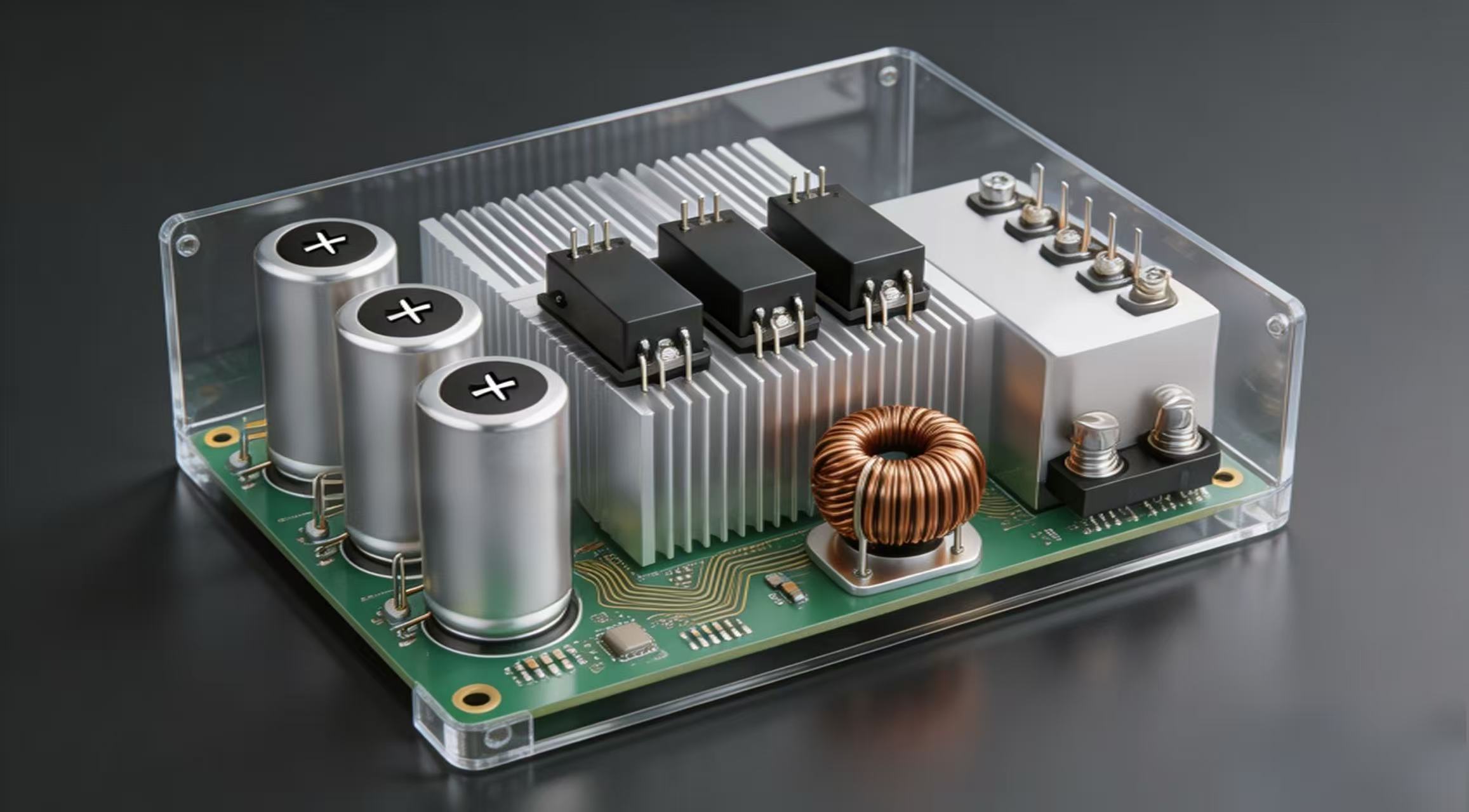
• Used for thermal conduction and structural fixation in high-power electronic components such as industrial power modules and photovoltaic inverters, maintaining stable performance in high-temure and high-humidity environments for extended periods, thereby prolonging equipment service life.
Ancham® AS32(17) Single-component Silicone Thermally Conductive Adhesive provides an excellent solution for the thermal management of electronic equipment, leveraging core advantsuch as high thermal conductivity, thixotropic easy application, safety and reliability, convenient maintenance, and environmental compliance. It not only effectively addresses the current market's challenges regarding heat dissipation ansulation but also helps enterprises enhance product performance, reduce maintenance costs, and expand into global markets. With the continuous development of the high-end electronics industry,7) is poised to become a key material driving technological progress in the industry, creating greater value for customers.