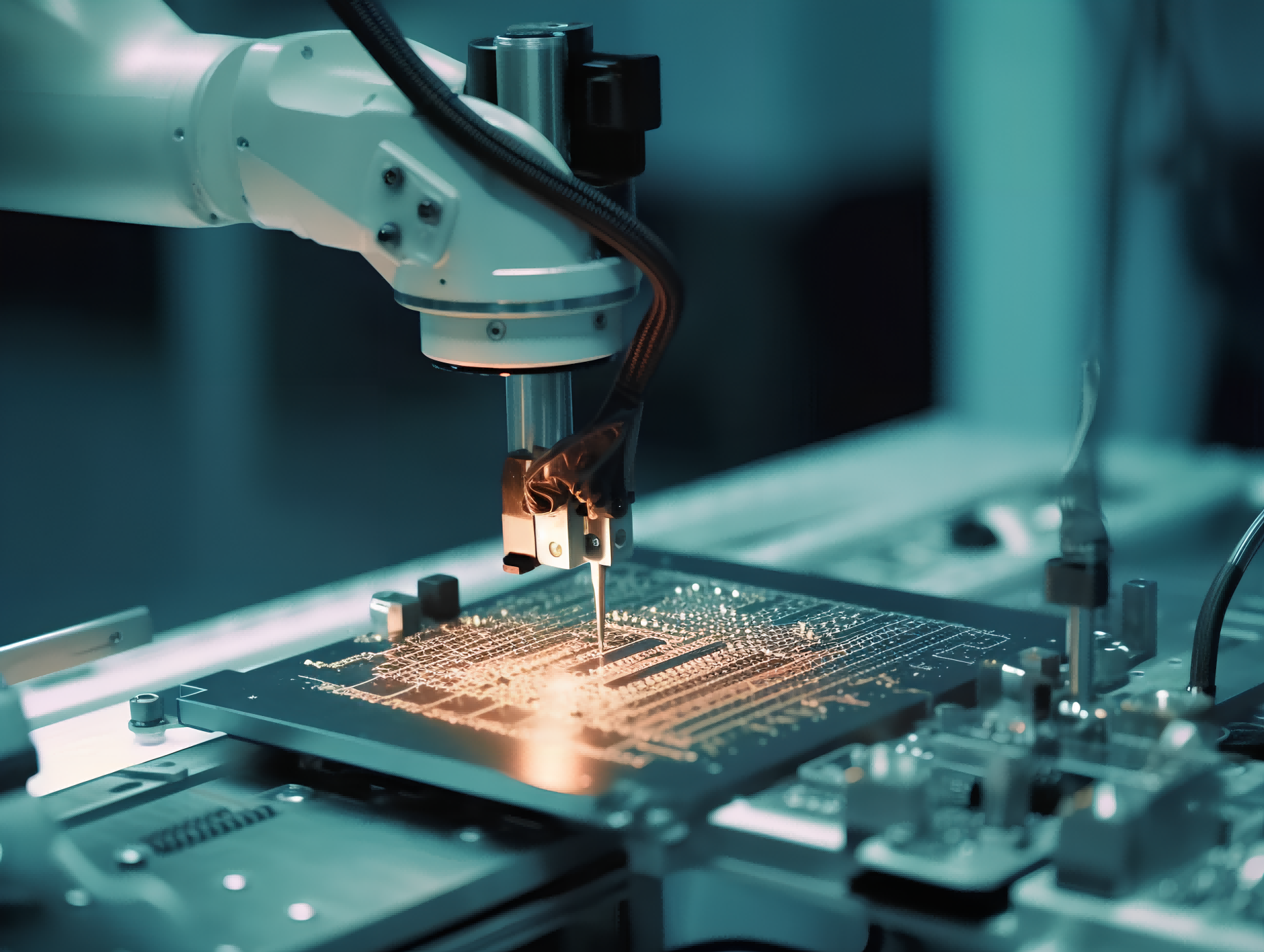
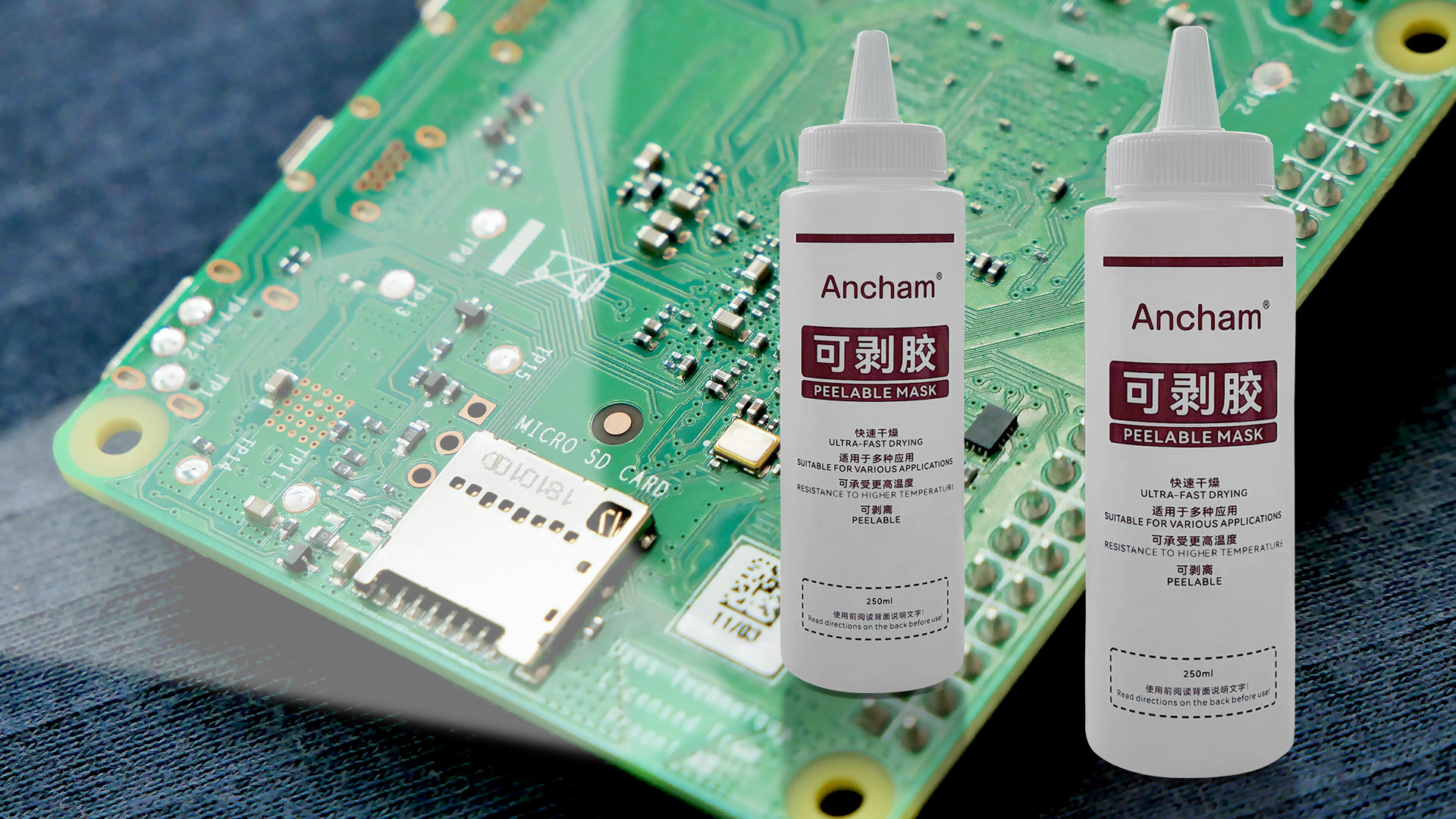
During the assembly of robot motor drives, structural bonding materials must meet multiple engineering requirements, including temperature resistance, impact resistance, electrical insulation, and process compatility. Ancham AE1109F is a one-component low-temperature curing epoxy adhesive suitable for bonding and fixing internal structural components of motors, such as metals, magnets, and composie materials. It achieves high bonding strength under curing conditions of 80°C/30 minutes and supports fluorescent inspection, making it suitable for robot motor applications with high requirements for ess controllability and reliability.

I. Ancham AE1109F Application Scenarios: Directly Targets Motor Core Structure
• Motor Magnet Bonding: Specifically designed for securing permanent magnets ttor housings in robot servo/stepper motors, effectively resisting the powerful centrifugal force generated by high rotational speeds.
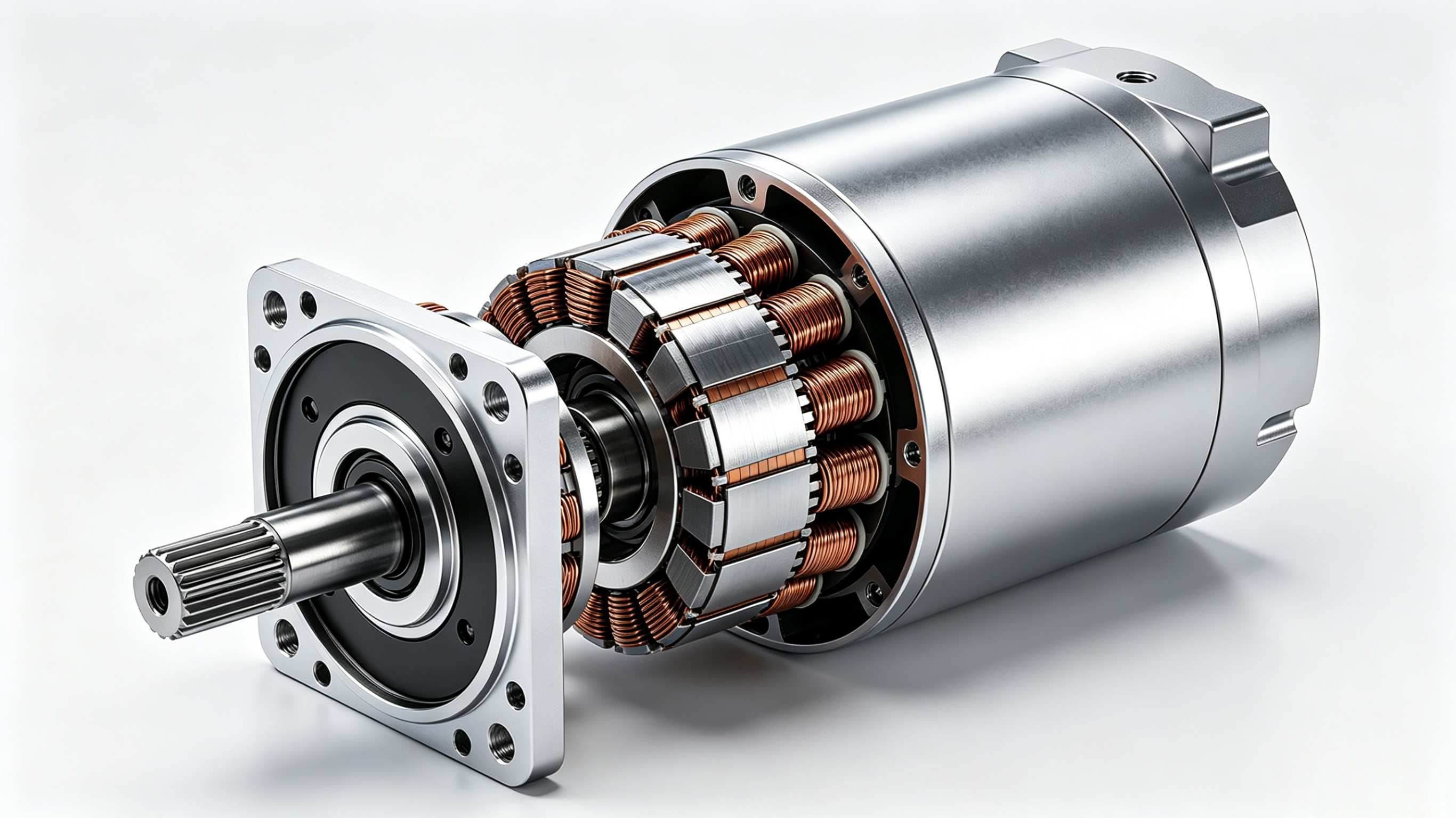
• Structural positioning and fixation: Suitable for structural bonding of internal sensors, end caps, and heat dissipation components in motors, while meeting insulation requirements.
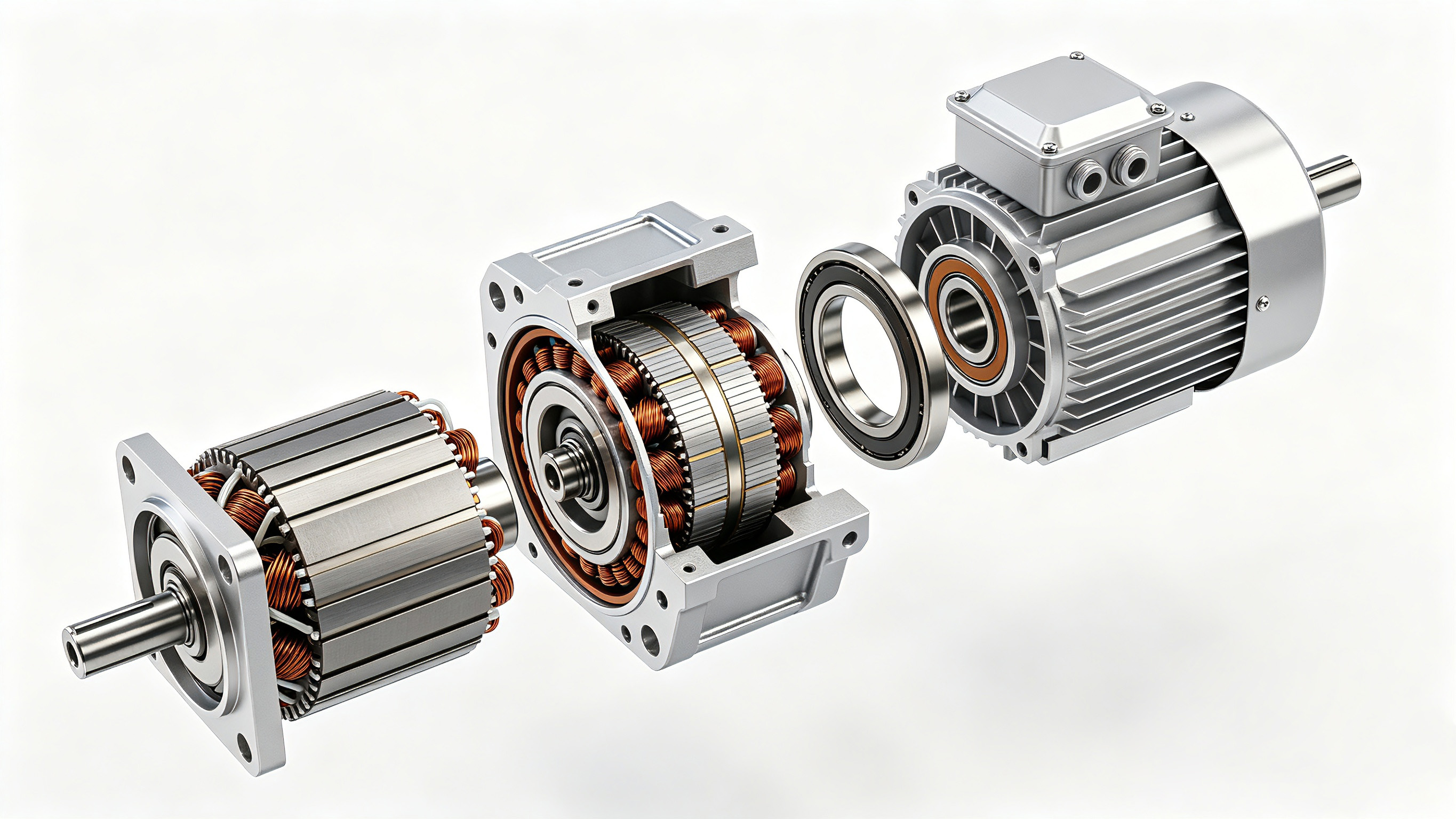
II. Key Performance of Ancham AE1109F: Data Support for Harsh Working Conditions
• Excellent Mechanical Strength and Toughness: The cuhesive layer is not only hard but also highly tough, effectively absorbing and resisting mechanical vibrations and impacts caused by robot movement to prevent magnet detachment.
• Wide Operating Temperature Range: Capable ous operation in environments ranging from -40°C to 150°C, easily handling high temperatures generated by prolonged motor operation and complex workshop temperature control conditions.
• Reliable Ell Insulation: With a volume resistivity as high as 4.2×10¹³ Ω·cm and an insulation strength of ≥20 kV/mm, it providt electrical safety assurance for the motor while offering structural strength.
III. Ancham AE1109F Material Compatibility: A "Powerful Bond" for Multiple Substrates
• Wide Adhesion: Exhibits excellent for various substrates commonly used in motor manufacturing, including metals such as iron, stainless steel, and aluminum, as well as engineering plastics and composites.
• Process Adaptabile-component, no mixing required. Combined with its thixotropic properties, it does not flow easily during application, making it particularly suitable for precise dispensing on inclined or vertical surfacebotic motors, eliminating the risk of overflow and coil contamination.
IV. Ancham AE1109F Process Requirements: Adapted to Standardized Mass Production Processes
• Efficient Low-Temperature Curing: Recommendd curing at 80°C for 30 minutes for complete curing. Compared to traditional high-temperature epoxy adhesives, this is more energy-efficient and conducive to increasing production ine speed.
• Strict Surface Preparation: Bonding surfaces must be thoroughly cleaned of contaminants such as paint, oxide films, oils, and release agents to ensure structural strength meets standards.
The performance data of Ancham AE1109F epoxy adhesive, regarding curing temperature, bonding strength, electrical insulation, and process wi aligns well with the typical technical requirements for structural bonding materials in robot motors. Its applications cover critical areas such as magnet fixation, insulation encapsulation, and dissimilar material bonding. The ac performance is influenced by factors such as substrate condition, curing conditions, and equipment precision; therefore, it is recommended to conduct preliminary verification based on the process parameters provided herein to reliability in specific designs.